How to write a song: 10 practical songwriting principles
Ten principles for choosing a starting point, shaping structure, testing lyric and melody together, collaborating, and finishing a draft.
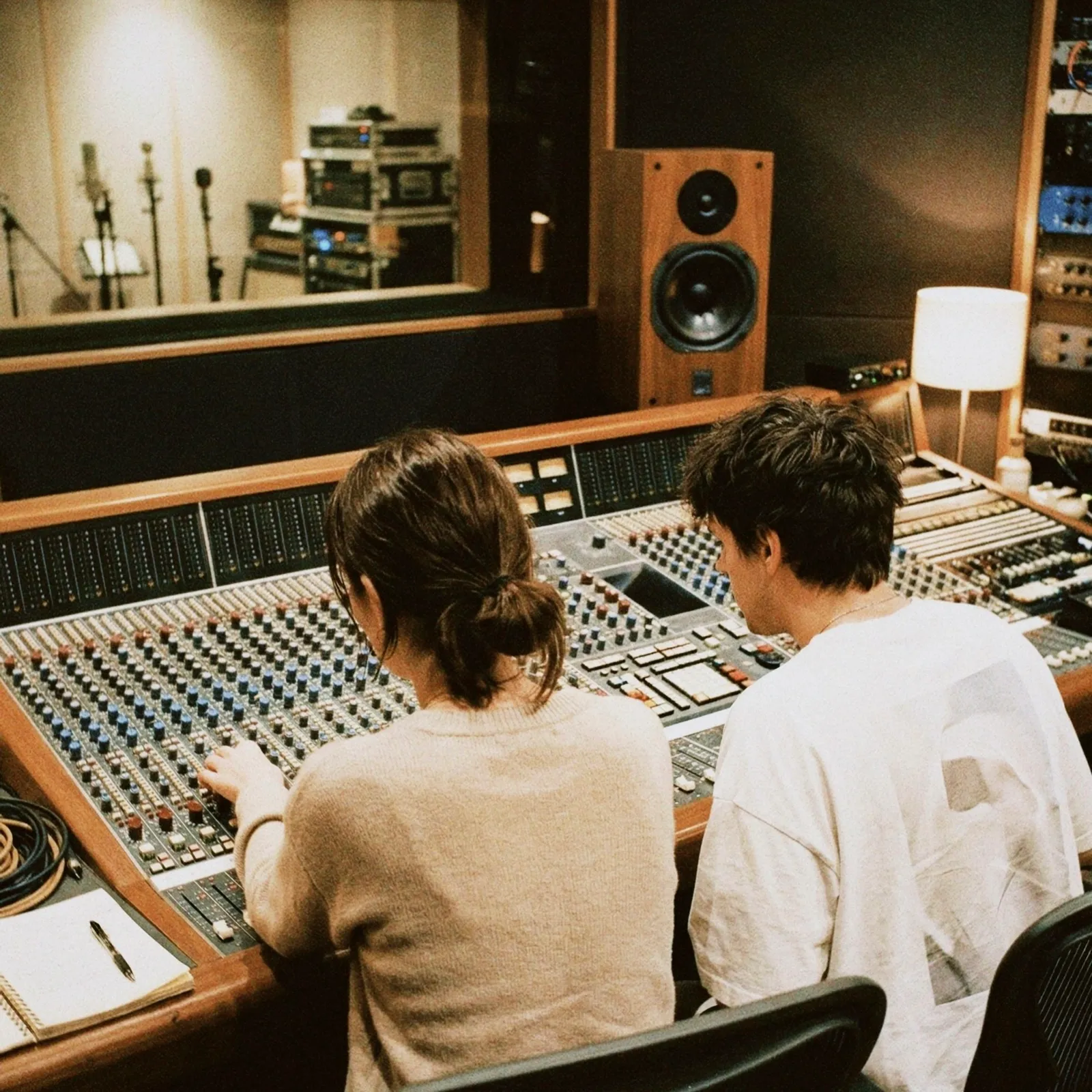
There is no single order for writing a song. One day the entry point is a title; another day it is a bass movement, a vocal rhythm, a chord change, or a sound. A repeatable process does not force those beginnings to look alike. It gives each idea enough structure to become a complete draft.
This guide covers the whole song. For a deeper lyric process, use how to write song lyrics step by step.
1. Identify the entry point before adding material
Ask what made you stop and pay attention:
- a phrase;
- a melodic shape;
- a groove;
- a harmonic turn;
- a sound or texture;
- a story or emotional contradiction.
Record that element alone before arranging around it. The first layer is the song’s current evidence. If later additions hide it, you need to know what was lost.
2. Write one sentence that defines the song’s center
The center is not a marketing pitch. It is a private decision filter.
Try:
This is a song in which [speaker] wants [desire], but [obstacle or contradiction].
Or, for instrumental music:
The piece moves from [state] to [state] without losing [defining musical quality].
When a section or line does not serve that movement, either give it a clearer job or save it for another song.
3. Capture before you produce
Make a rough recording as soon as the central idea is reproducible. It can be one voice, one instrument, a beat, or a hummed melody.
Add a working title and one note about what matters. “Keep the pause before the last phrase” is more useful than a technically better recording with no context.
For a fast capture workflow, see how to capture song ideas and turn them into songs.
4. Give every section a function
Before polishing details, map the journey:
- What does the opening establish?
- What changes in the verse or first section?
- What does the chorus, drop, or refrain release?
- Where does the listener receive new information?
- What makes the final return feel different?
A familiar structure can help you diagnose missing movement. It is not a rule that every song must obey.
Write the function of each section in one line. If two sections do identical work, change one or remove it.
5. Test melody, lyric, and harmony together
A strong lyric can fight the natural stress of a melody. A beautiful chord sequence can leave no space for the vocal. A memorable melody can lose its shape when every bar is harmonically busy.
Record a complete pass and listen for collisions:
- stressed syllables on weak musical accents;
- long notes on uncomfortable vowels;
- harmony changes that distract from the lyric’s key line;
- instrumental fills that answer before the vocal finishes;
- repeated sections that do not develop.
Revise the relationship, not only the individual part.
6. Use constraints when options become the problem
When you are stuck, reduce the decision space for one pass:
- write a verse with only four lines;
- keep one rhythmic cell through the section;
- use one instrument;
- change only the melody, not the chords;
- make the bridge answer one unresolved question;
- finish a sixty-second version before extending it.
A constraint is temporary scaffolding. Keep it only when the result earns its place.
7. Separate creation from evaluation
Generating and judging at the same time creates a stop-start loop. Work in short phases:
- produce options without defending them;
- take a break;
- compare options against the song’s center;
- choose one direction;
- record a new complete reference.
Do not turn every alternative into a permanent branch. Preserve meaningful options and close the rest deliberately.
8. Collaborate with a clear question
“Tell me what you think” invites every kind of response. Ask for the decision you need:
- Which pre-chorus creates more tension?
- Does the second verse add information?
- Is the tempo supporting or weakening the lyric?
- Which ending feels earned?
Share the current version and relevant lyric together. The collaborator should not have to reconstruct the project before listening.
9. Know when the song is blocked and when the process is blocked
Sometimes the next section is genuinely unclear. Other times the idea cannot move because the current audio is lost, five drafts compete, or nobody owns the next action.
Diagnose the category before searching for inspiration. A writing exercise will not repair a missing reference, and reorganising files will not invent the bridge.
For a practical diagnostic, use the five forms of creative block.
10. Define “finished for this stage”
A song can be complete as a draft before it is arranged, produced, mixed, or released.
A workable draft usually has:
- a complete journey from beginning to end;
- a stable central melody or musical identity;
- words or instrumental parts sufficient to understand the sections;
- a current reference recording;
- open production questions separated from writing questions.
Export that state and name it. You can reopen it later, but do not leave every song permanently “almost done.”
A compact weekly songwriting loop
For each active song:
- state the current question;
- work on that question only;
- record the full result;
- compare it with the previous reference;
- write the next action;
- archive or reject unused branches.
Zoundroom can support that continuity by keeping audio, notes or lyrics, files, and project context together. It does not write or produce the song for you; it reduces the effort required to find the correct state and continue.
The objective is not to make every idea excellent. It is to make enough clear decisions that the idea becomes a song you can hear from beginning to end.